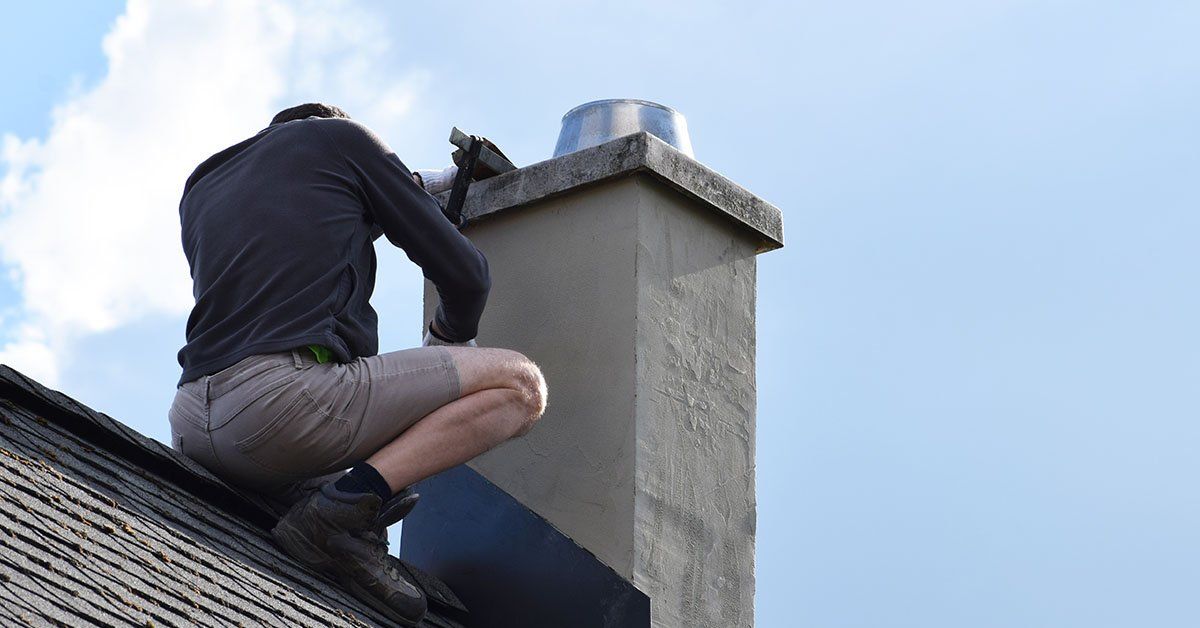
Roof Inspections
Regular Roof Inspections are important. Inspect your roof at least twice a year (ideally in the spring and fall) and after any major storms. Look for signs of damage such as cracked, curling, or missing shingles, exposed nails, and excessive granule loss (small granules in your gutters).
Key Roof Maintenance Tasks
Key Maintenance Tasks
- Regular Inspections: Inspect your roof at least twice a year (ideally in the spring and fall) and after any major storms. Look for signs of damage such as cracked, curling, or missing shingles, exposed nails, and excessive granule loss (small granules in your gutters).
- Prompt Repairs: Address any minor issues immediately. Damaged or missing shingles should be repaired or replaced right away to prevent water from infiltrating the roof system and causing extensive damage.
- Cleaning and Debris Removal: Regularly clear leaves, branches, and other debris from your roof surface and gutters. Accumulated debris traps moisture, which can lead to shingle deterioration, mold, and algae growth.
- Gutter Maintenance: Ensure gutters and downspouts are clean and free-flowing to direct water effectively away from your roof and foundation. Clogged gutters can cause water to pool along the roofline and seep under shingles, leading to leaks and rot.
- Trim Overhanging Branches: Trim tree branches that hang over your roof to at least 6 to 10 feet away. This minimizes the amount of debris falling onto the roof and reduces the risk of impact damage during storms or access for pests.
- Ensure Proper Ventilation: Adequate attic ventilation helps regulate temperature and moisture levels, which prevents heat buildup in summer (which can warp shingles) and moisture accumulation in winter (which can cause mold or ice dams).
- Professional Care: While visual inspections and light cleaning can be done by a homeowner, it's best to hire a licensed roofing professional for an annual comprehensive inspection and any complex repairs. Professionals have the expertise and safety equipment to identify and address hidden issues effectively.
- Avoid Walking on the Roof: Limit foot traffic on the roof, as walking on asphalt shingles can dislodge protective granules, crack shingles, or void the manufacturer's warranty.
By following these maintenance practices, you can maximize the lifespan of your asphalt roof and keep your home protected.
Common Roof Problems
A comprehensive Roof Inspection can find small problems before they become BIG problems.
Nail Pop
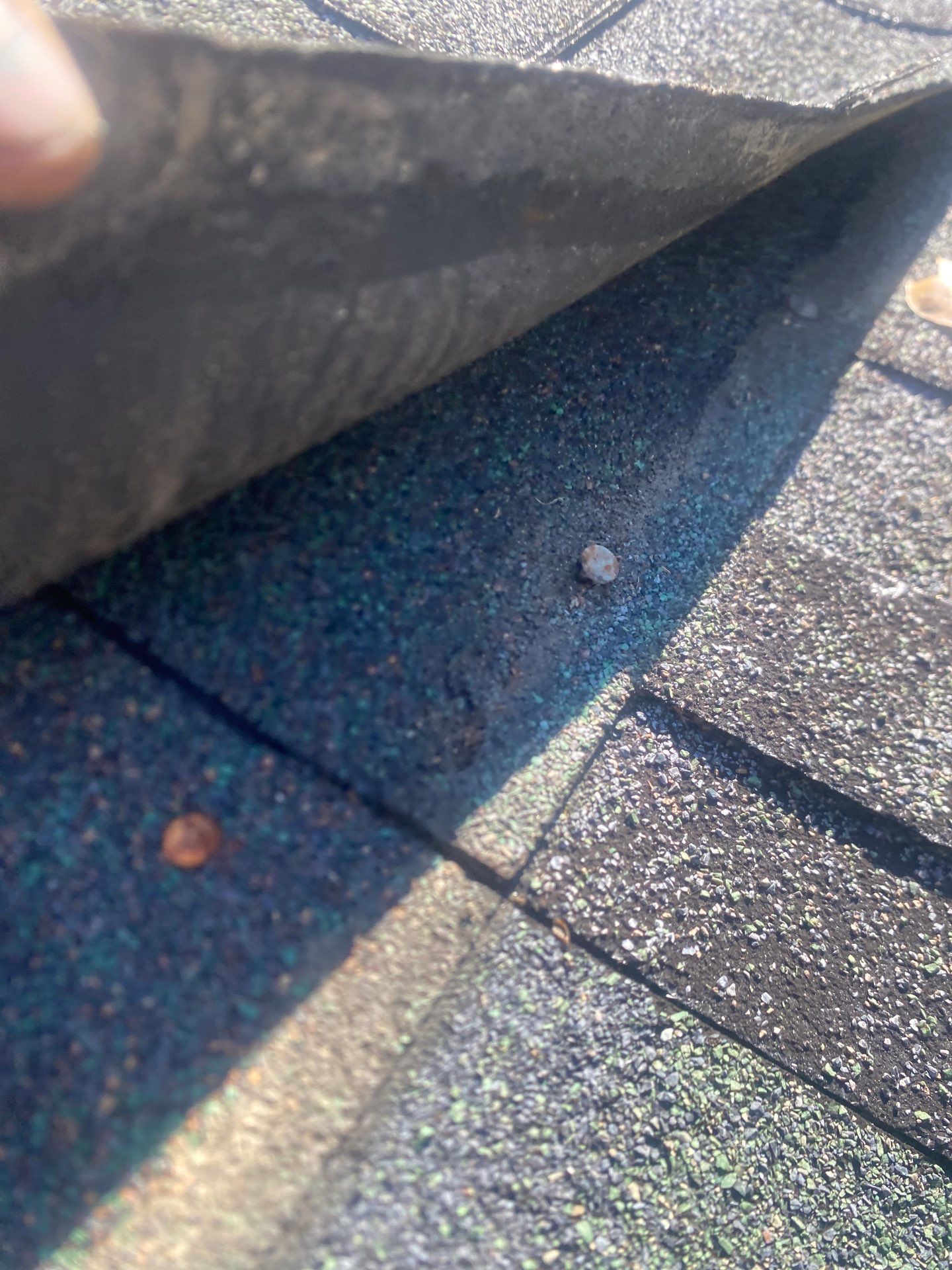
A roof nail pop is a roofing nail that has pushed up through a shingle, creating a bump or a protruding nail head. This happens when the wood roof decking expands and contracts with temperature changes, improper installation, or moisture damage, and it can compromise the roof's waterproof seal, potentially leading to leaks and rot.
Exposed Nails
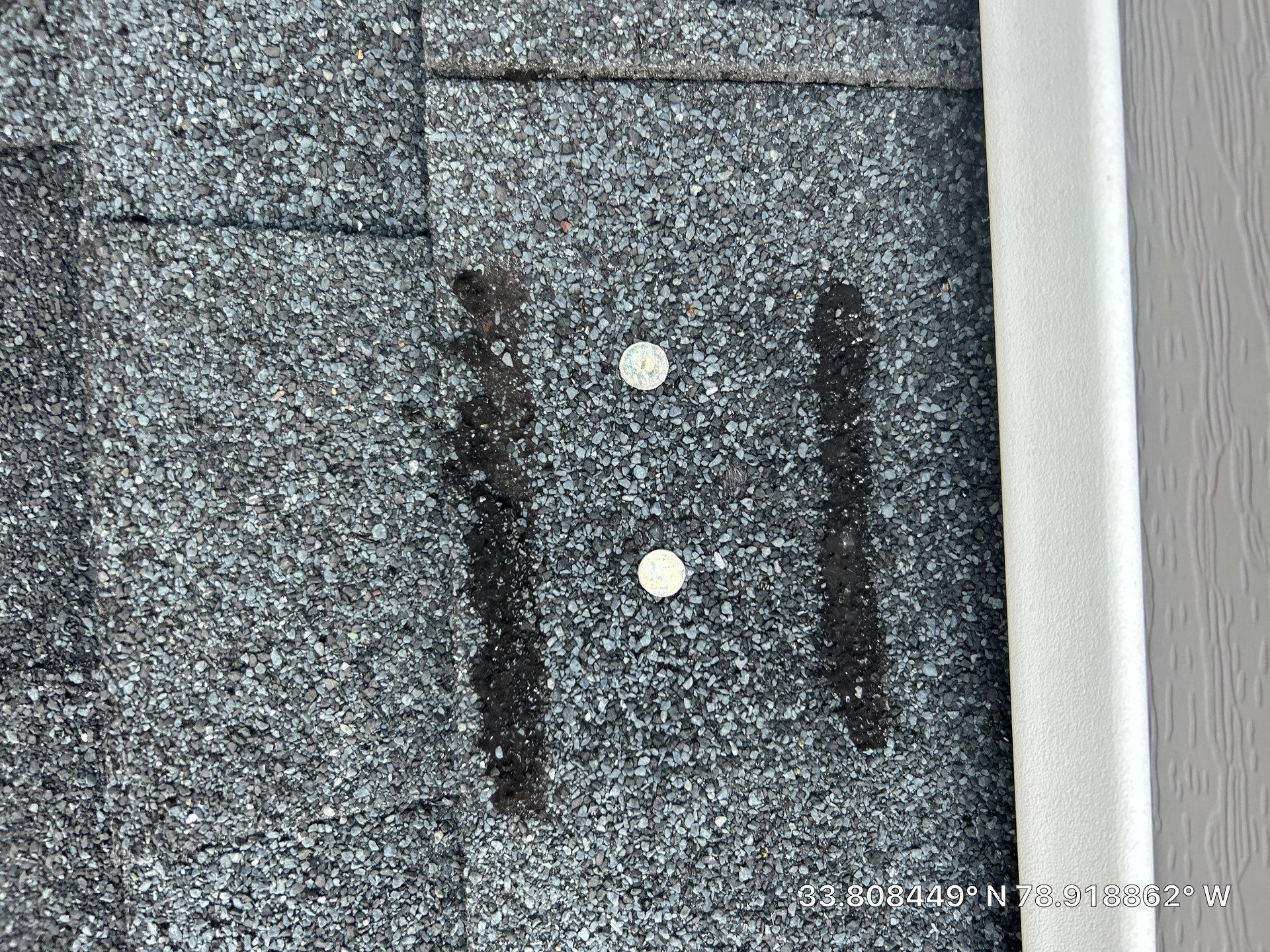
An exposed nail on a roof is a nail that is not properly covered by the roofing material above it. In a proper installation, each nail head should be covered by the overlapping shingle or tile to create a watertight seal. Exposed nails, which can be seen protruding or are sometimes called "shiners," are a problem because they create entry points for water, can rust, and can cause leaks and damage.
Loose or Missing Shingles.
A loose shingle on a roof means that the shingle is not properly secured, which can compromise your home's protection from the elements and lead to leaks. This is often caused by strong winds, improper installation, or damage from storms, and it requires prompt repair to prevent further damage like water infiltration and higher energy bills.
Damaged Flashing
Damaged flashing means the waterproof material protecting vulnerable roof joints is compromised, allowing water to leak into your home and cause significant damage. This damage can result from issues like rust, cracks, bends, or missing pieces, which can lead to water stains, mold, and structural rot if not addressed promptly.
Worn Plumbers Gaskets
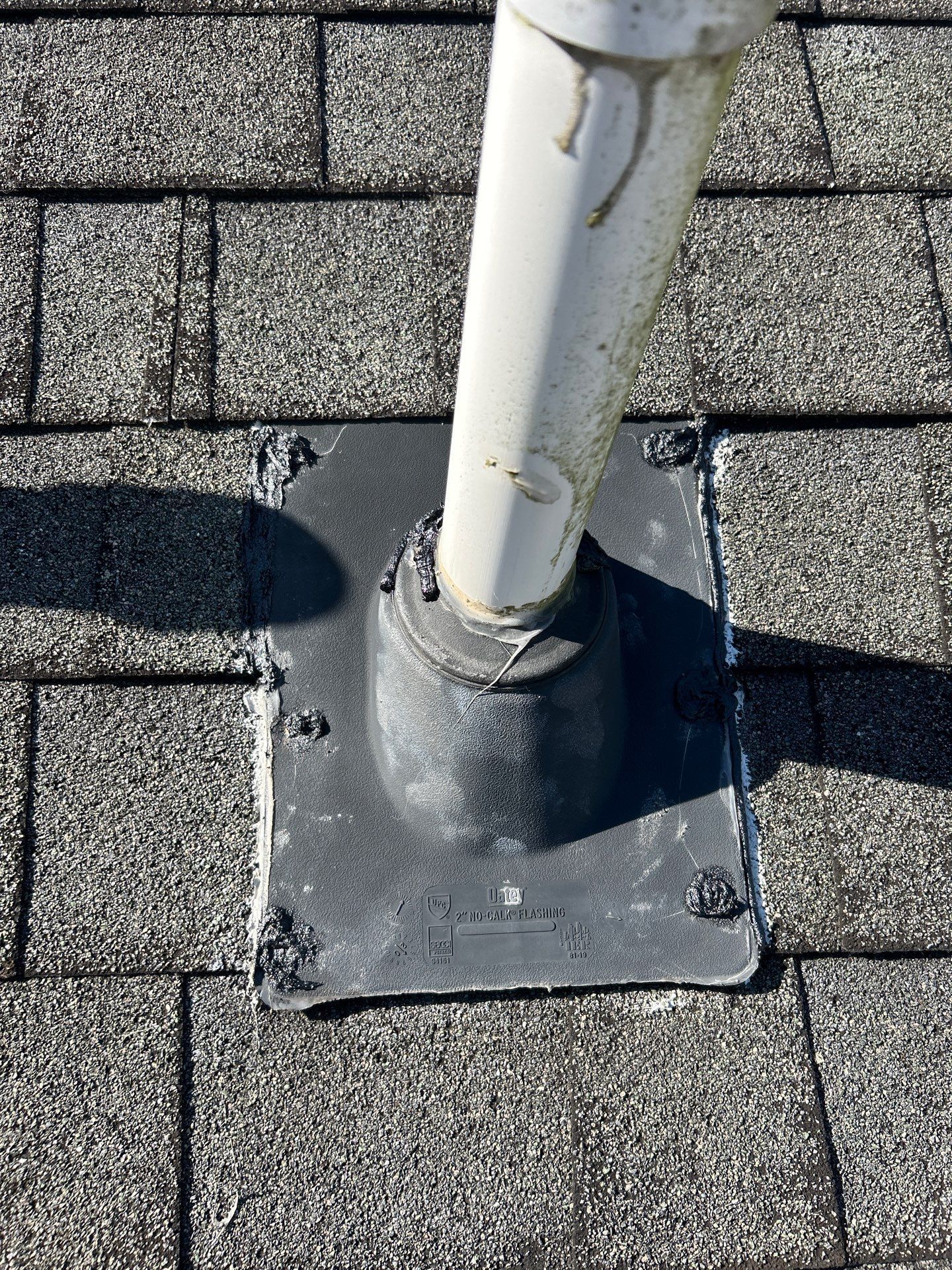
Worn plumber's gaskets on a roof refer to the deterioration of the rubber seal (also known as a plumbing vent boot or flashing) around the base of the plumbing vent pipes that penetrate the roof.
What It Means: Vulnerability to Leaks: The primary function of this rubber gasket is to create a watertight seal, preventing rain or snow from entering your home where the pipe goes through the roof. When the gasket becomes worn, cracked, or dry-rotted due to exposure to UV rays and weather, it can no longer form a tight seal.
Water Damage: Water can then seep through the gap, run down the pipe, and cause water damage to the ceiling, attic, or walls inside your home. This is one of the most common reasons for roof leaks.
Maintenance Issue: Worn gaskets are a high-maintenance item because they typically wear out well before the expected lifespan of the rest of the roof shingles. Regular roof inspections are essential to identify aging gaskets before they lead to significant problems.
Why Choose Us
Expertise:
Our team consists of highly trained professionals with years of experience in the Roofing Industry.
Proper Safety Protocols
From Proper Insurance, Training, and Equipment. You can feel confident that your protected.
NO Subcontracting
All our Roof inspectors, Roof Technicians, and Sales Consultants are part of the All American Family. We do not subcontract, Ever.